
Embracing Antiques in Modern Homes: Balancing Timeless Elegance with Contemporary Relevance
- Robin Cope
- Dec 7, 2025
- 3 min read
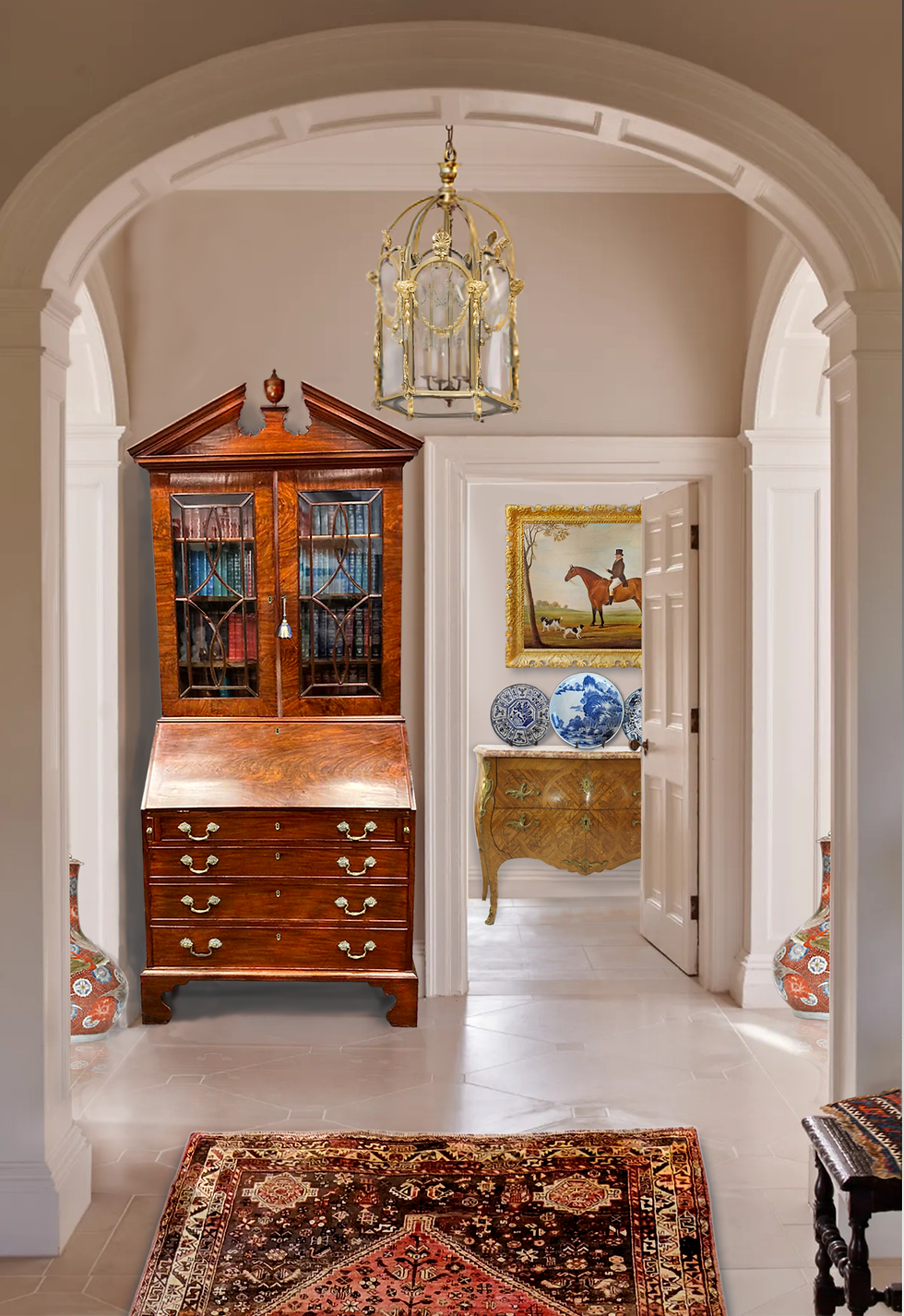
Antiques have long been admired for their craftsmanship, history, and unique charm. Yet, as modern homes embrace sleek lines, minimalism, and technology, the place for large antique pieces often comes into question. Can these grand, historic furnishings still fit into contemporary interiors without feeling outdated or overwhelming? More importantly, can we capture the spirit of legendary designers like Elsie de Wolfe and Nancy Lancaster, or iconic firms such as Colefax and Fowler, while keeping our homes relevant today? This post explores how to thoughtfully integrate large antiques into modern living spaces, preserving their timeless elegance while creating a fresh, inviting atmosphere.

The Challenge of Large Antique Pieces in Modern Interiors
Large antique furniture often carries a strong visual presence. These pieces were designed for different architectural styles and lifestyles, sometimes making them feel out of place in today’s open-plan, light-filled homes. The challenge lies in their scale, weight, and ornate details, which can dominate a room or clash with minimalist aesthetics.
Many homeowners hesitate to include such pieces, fearing they might make spaces feel cramped or old-fashioned. Yet, removing antiques entirely risks losing the depth and character they bring. The key is to rethink how these pieces are combined with modern elements.

Learning from Colefax and Fowler, Elsie de Wolfe, and Nancy Lancaster
The designs of Colefax and Fowler, Elsie de Wolfe, and Nancy Lancaster remain influential because they balanced tradition with livability. They understood how to mix antiques with fresh fabrics, light colors, and thoughtful layouts to create spaces that felt both elegant and welcoming.
Colefax and Fowler emphasized layering textures and patterns, pairing antique furniture with soft upholstery and floral prints to soften the heaviness of large pieces.
Elsie de Wolfe championed light, airy rooms, often painting antique furniture in pale colors to brighten interiors.
Nancy Lancaster was known for blending formal antiques with casual, comfortable elements, making grand pieces feel approachable.
These approaches offer valuable lessons for today’s interiors: antiques don’t have to be museum pieces. They can be part of a lived-in, stylish home.
Practical Tips for Integrating Large Antiques Today
1. Choose the Right Piece for the Space
Not every antique will suit every room. Measure carefully and consider the room’s function. For example, a large antique armoire can serve as a statement storage piece in a bedroom or living room, but might overwhelm a small dining area.
2. Mix Old and New Materials
Pairing antique wood with modern metals, glass, or acrylic can create a striking contrast. For instance, an antique wooden dining table looks fresh when surrounded by sleek, contemporary chairs.
3. Use Colour to Harmonize
Painting or refinishing antiques in soft, neutral tones can help them blend with modern palettes. Alternatively, leaving the original finish intact can add warmth and texture when balanced with lighter walls and fabrics.
4. Balance Scale and Proportion
If a large antique dominates one side of a room, balance it with modern pieces of similar visual weight. A large mirror, a bold contemporary artwork, or a modern sofa can create equilibrium.
5. Incorporate Antiques as Focal Points
Instead of filling a room with many antiques, select one or two key pieces to highlight. This approach prevents clutter and lets the craftsmanship shine.
6. Update Surrounding Decor
Use modern lighting, rugs, and accessories to refresh the setting around antiques. For example, a vintage chest looks current when paired with a geometric rug and minimalist lamps.
Examples of Successful Antique Integration
A living room with a large, carved antique cabinet painted in soft gray, paired with a modern sectional sofa and abstract art.
A bedroom featuring an antique four-poster bed dressed in crisp white linens and contemporary bedside tables.
A dining room with an antique sideboard complemented by clear acrylic chairs and a sleek pendant light.
These examples show how antiques can anchor a room while allowing modern elements to keep the space feeling current.
Why Antiques Still Matter in Modern Homes
Antiques offer more than decoration. They connect us to history, craftsmanship, and stories that mass-produced furniture cannot replicate. Their presence adds depth and personality to interiors, making homes feel unique and curated.
Moreover, embracing antiques supports sustainability by reusing quality pieces instead of buying new. This aligns with growing interest in eco-friendly living.
Comments